Credits:
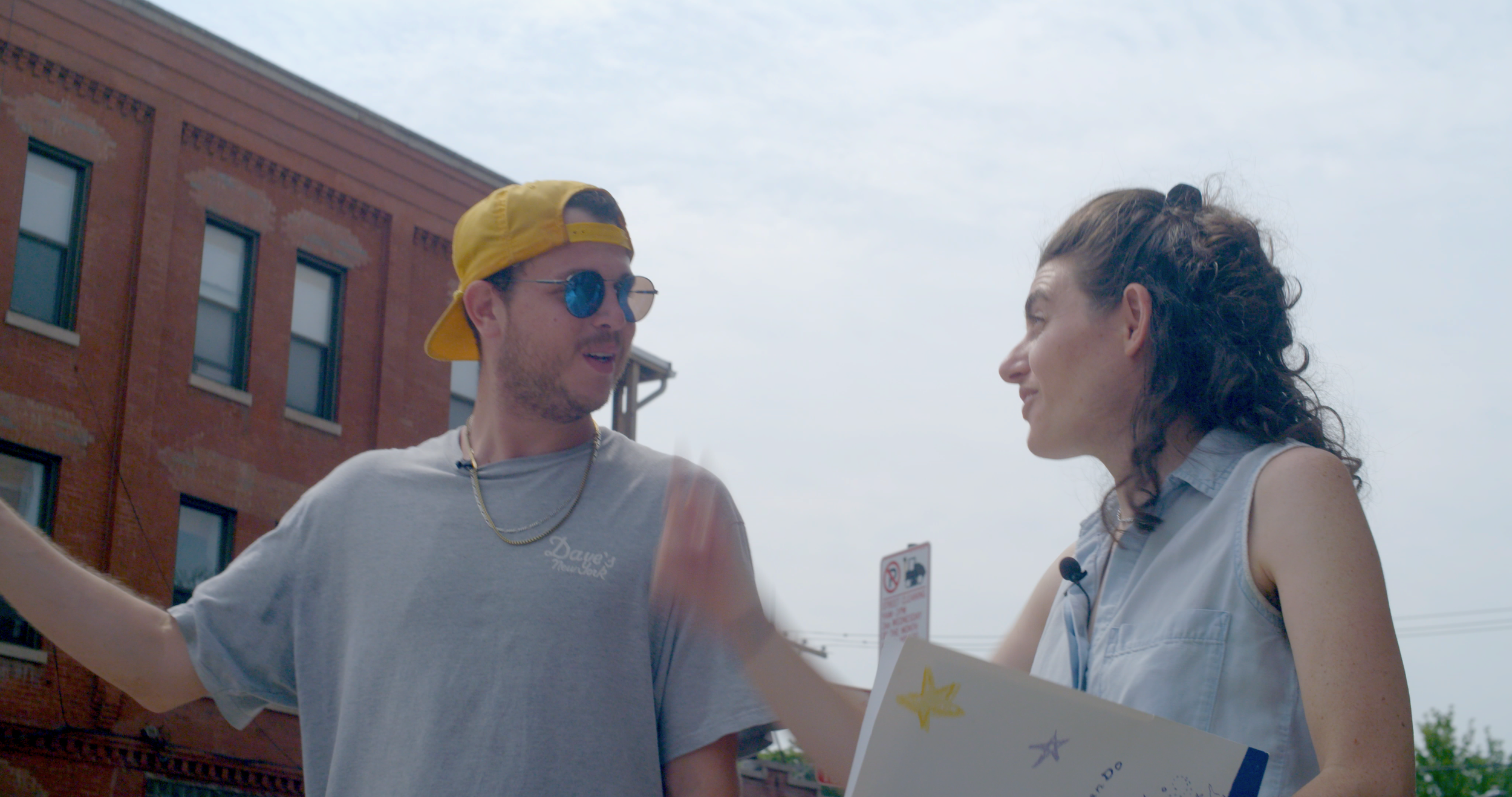
Director: Matan Berman
Editor: Zury Cutler
Producer: Adam Marshall Present
Producer: Jolie Elins
Producer: Jess Zheng
Cinematographer: Joel Liss
Sound: Tommy Gonzalez


Bubbie & Zaydie’s Yiddishland
By exploring the rise and fall of the Yiddish left in America through the lens of the lives of his grandparents, a young Jewish filmmaker tries to piece together the past in order to create a blueprint for a modern day “Yiddishland” shaped by that of his grandparents.
Bubbie & Zaydie’s Yiddishland is a currently in the early production stages and hoping for it to be completed in early 2028.
Treatment
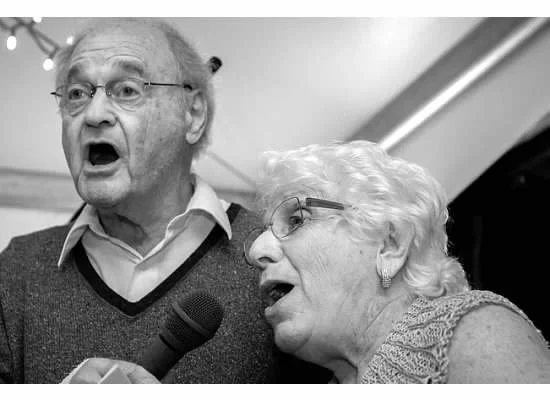
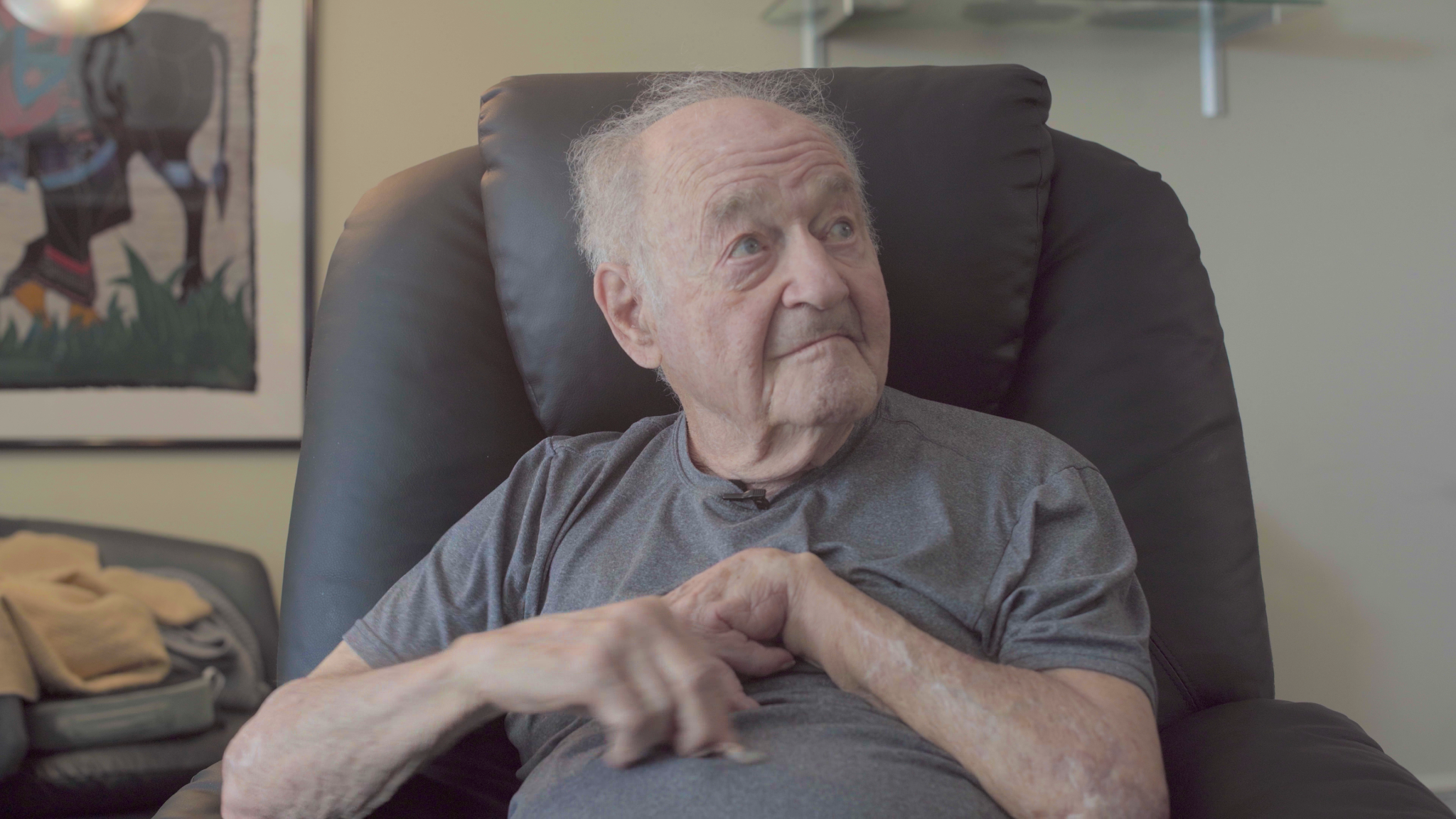
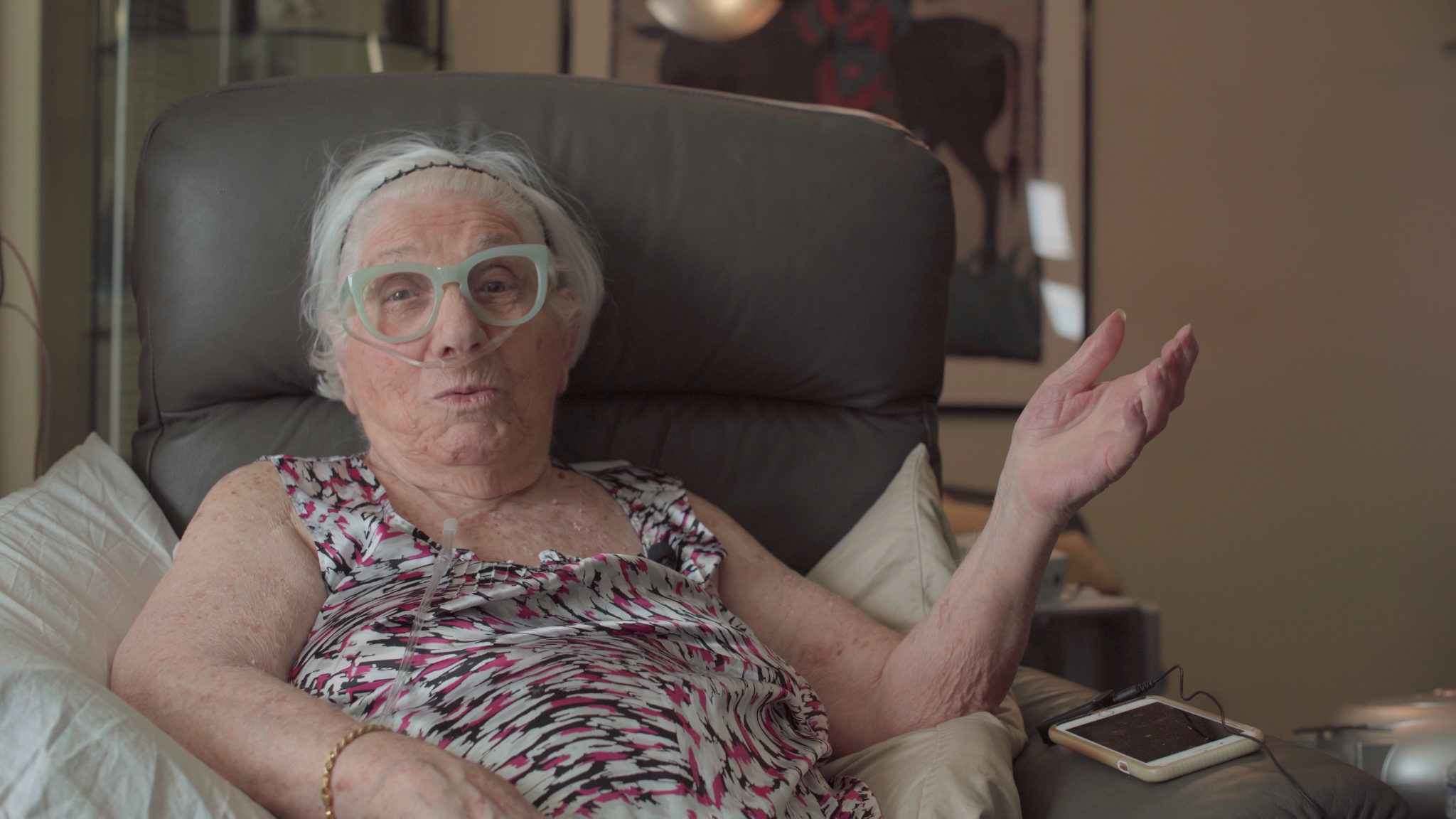
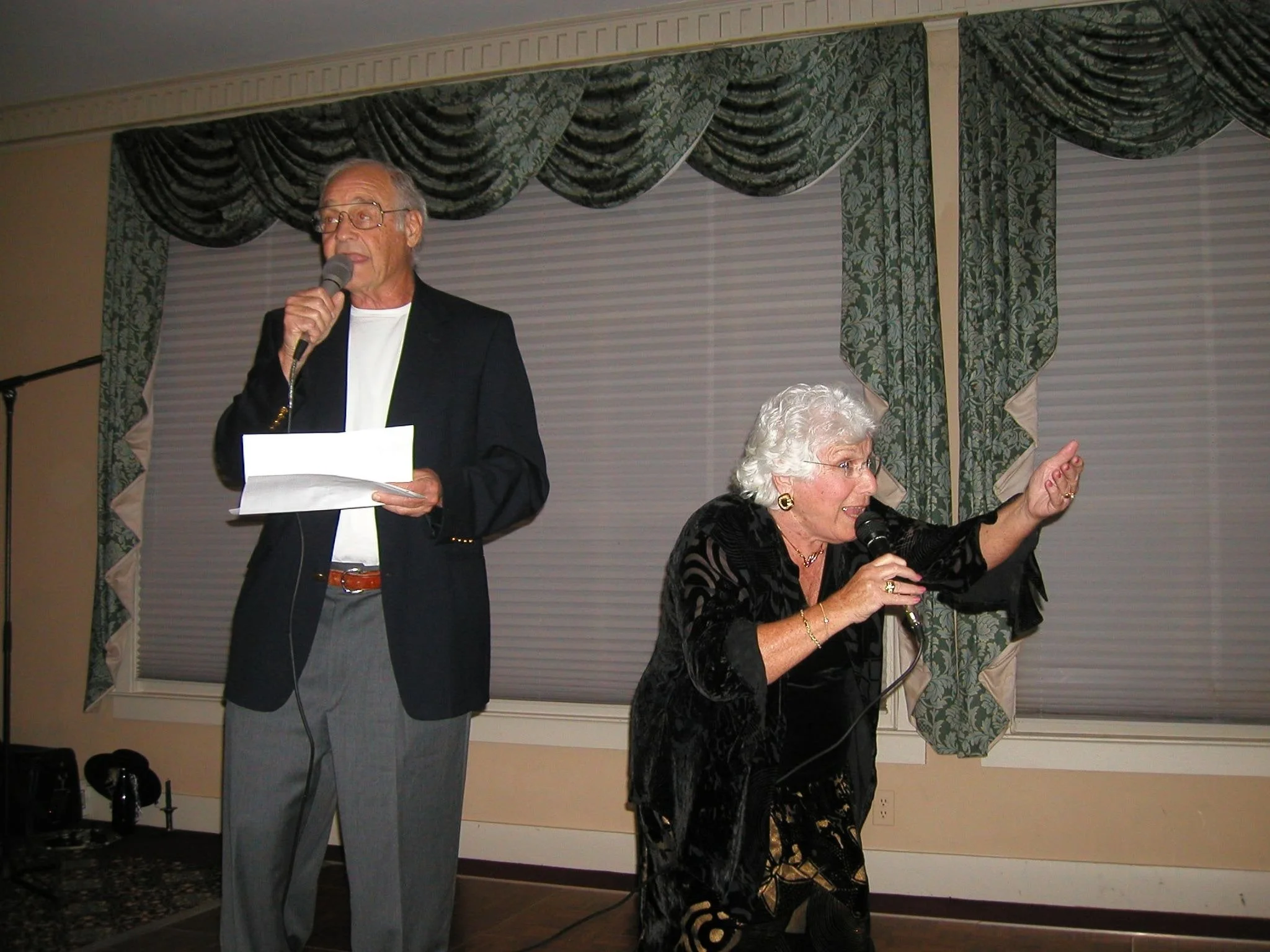
My grandparents' version of Jewish practice always differed from the one that I experienced at home. When we visited them in Sarasota, we would go to their semblance of a shul. There was no rabbi, not one mention of God, and the only Hebrew spoken was that which was intertwined with Yiddish. My Zaydie was the director of the chorus. Rather than having to sit through hours of Hebrew services and Torah readings, it was an hour or two of joyous Yiddish songs and secular cultural practices. The more I talked to my grandparents about their upbringing, the more I began to understand that they recreated the community of their youth wherever they went. But what was that community?
My Bubbie and Zaydie grew up as Yiddish-speaking Communists…
Yiddish always came off to me as this funny sounding, secret language that only the old Jews spoke. Growing up, Bubbie and Zaydie would bring out Yiddish phrases and songs whenever we visited. I would crack the occasional “Oy vey” when dropping something as if my ancestors had taken over my body. In my generation, teaching Yiddish has fallen out of favor amongst the mainstream Jewish population. Yiddish was the first language of multiple generations of Ashkenazi Jewish immigrants and their children in the 19th and early 20th centuries. But today its use has been largely relegated to a few phrases used to pay homage to the heritage, humor, and culture of the Jewish way of life.
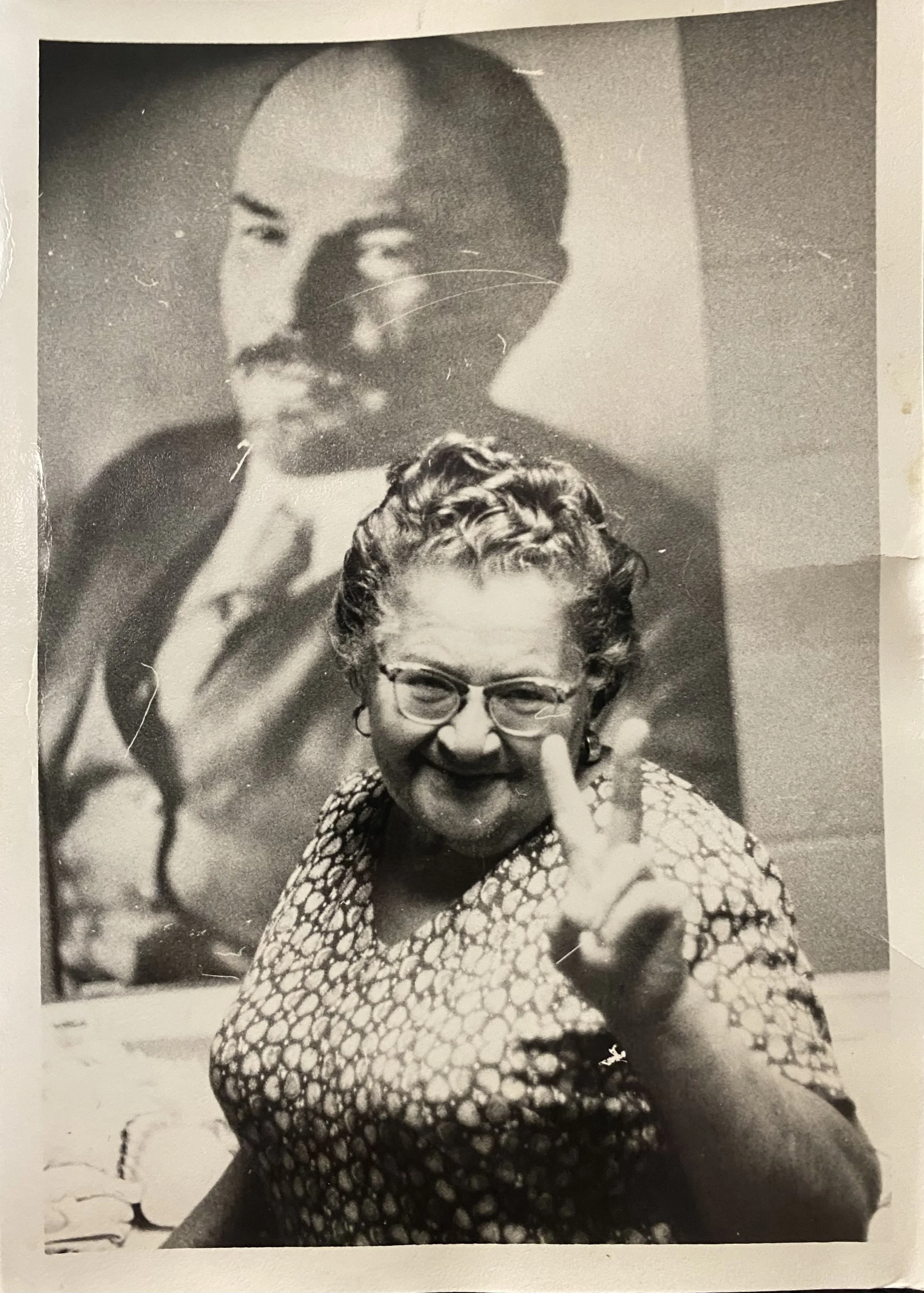
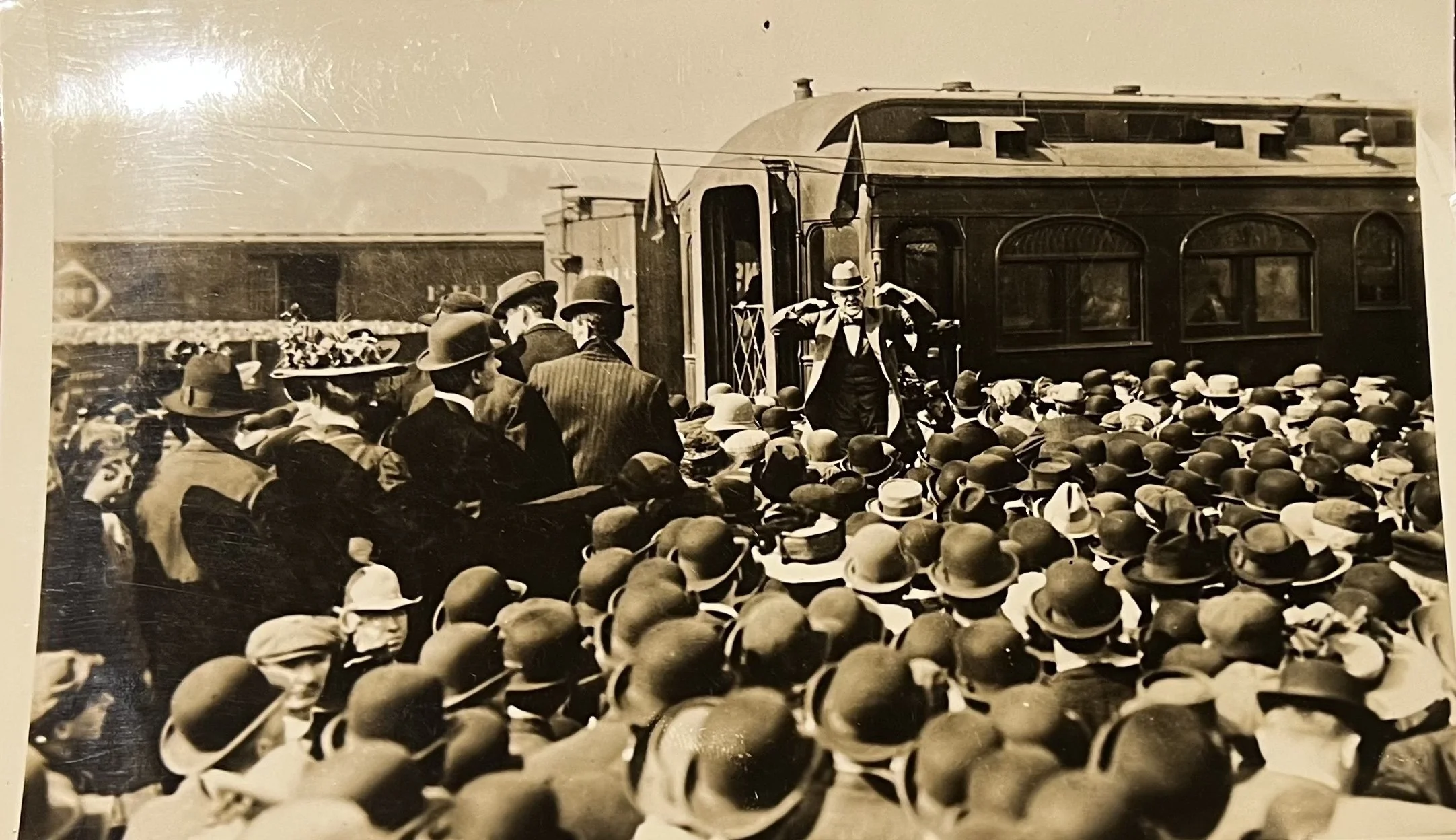
But Communism? That was a different story. Communism had always been spoken about negatively in America, if at all. When I was younger, I never knew they were communists, but as I got older, I would recall snippets. Eugene V. Debs…. Zaydie’s mom at the picket line…Songs that discussed how they were “the youth of the exploited working class.” In their old age, they hung a picture on their fridge of Zaydie’s mother, Miriam, posing with a peace sign in front of a big cutout of Vladimir Lenin. The hints were always there, but most of what I picked up before their old age was only fragments. What happened? Was I just not looking hard enough?
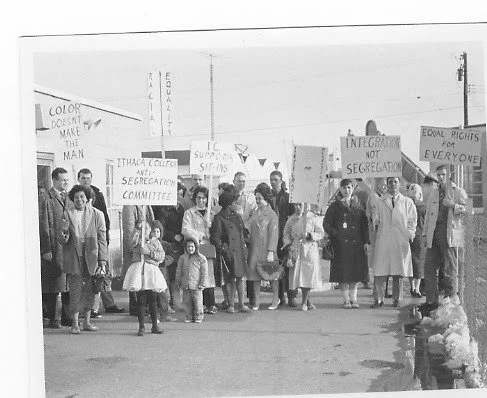
I always knew Bubbie and Zaydie were very progressive, both political and culturally. Our conversation during Thanksgiving Dinner 2013 was Bubbie bragging that she and Zaydie were trailblazers for having sex before marriage. The Silent Generation was not so silent when it came to Bubbie. An essential part of Berman family lore was that Zaydie was involved in the civil rights movement from Ithaca, New York. As the faculty sponsor of the Ithaca College Civil Rights Club, he helped push this progressive agenda for POC students at a predominantly white institution. This position had him welcoming Dr. King to Ithaca in the early 1960’s. Zaydie even attended the March on Washington in 1963, witnessing the famous “I Have a Dream” speech from Dr. King himself. I later found out he happened to bring his Super 8 camera that day, a fact I did not find out until I stumbled upon the footage on a random midnight in August.
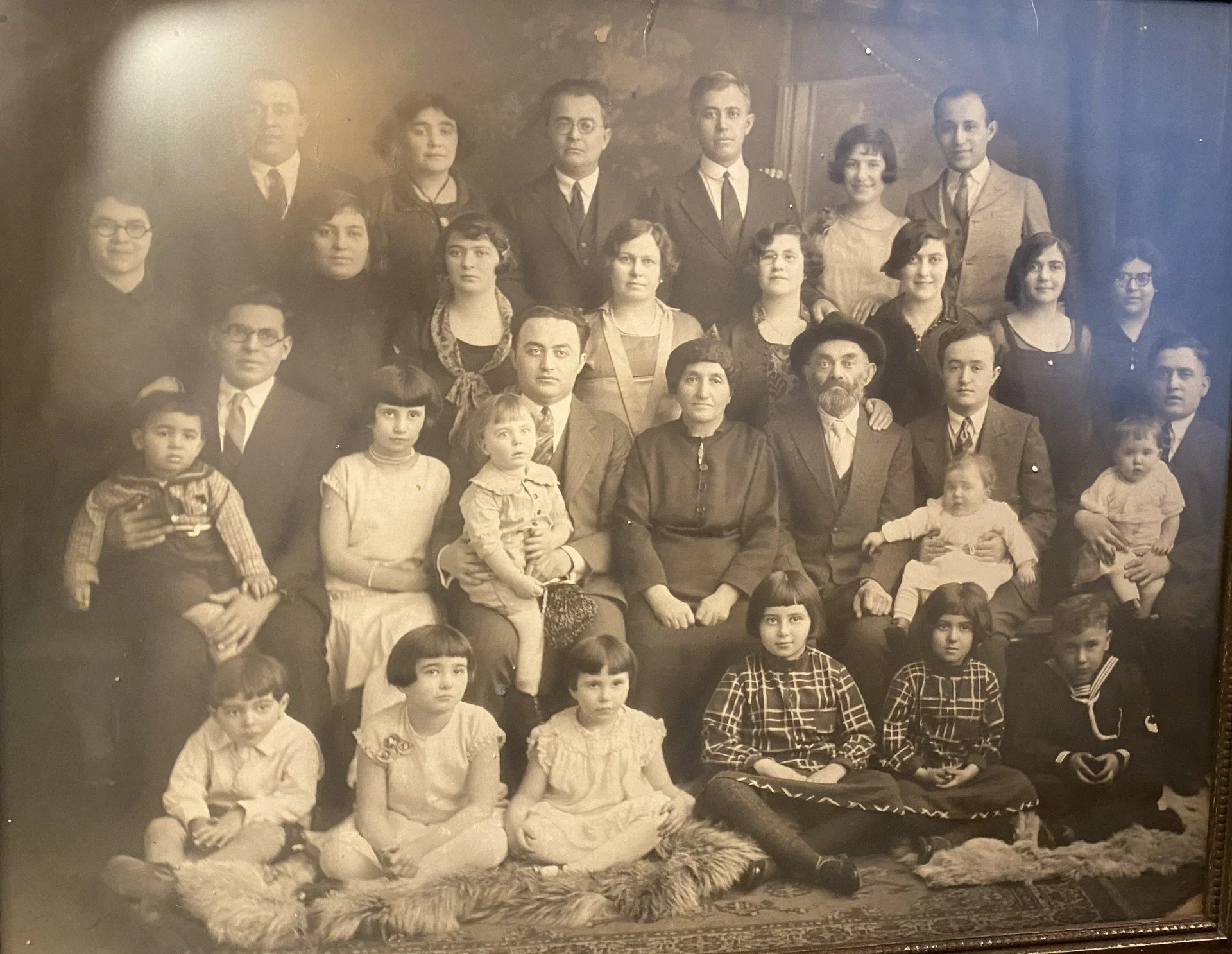
All of the sudden, I came across something in his archives that changed everything. I uncovered Zaydie's old military records in a dusty folder buried next to 35 years worth of tax documents. Inside that folder was a letter from the Army in 1953, at the peak of the McCarthy-era Red Scare and the Korean War, accusing my grandfather of being a Communist sympathizer. He was discharged without honors, a black mark on one’s record in the days of the compulsory draft. I had discovered the primary source of all primary sources. Through this letter, I found out that my great-grandparents, Miriam and Nathan Berman, were early members of the American Communist Party, active in their local International Workers Order chapter, and were prominent proponents of the radical elements of their labor unions, the ILGWU and the ACWA.
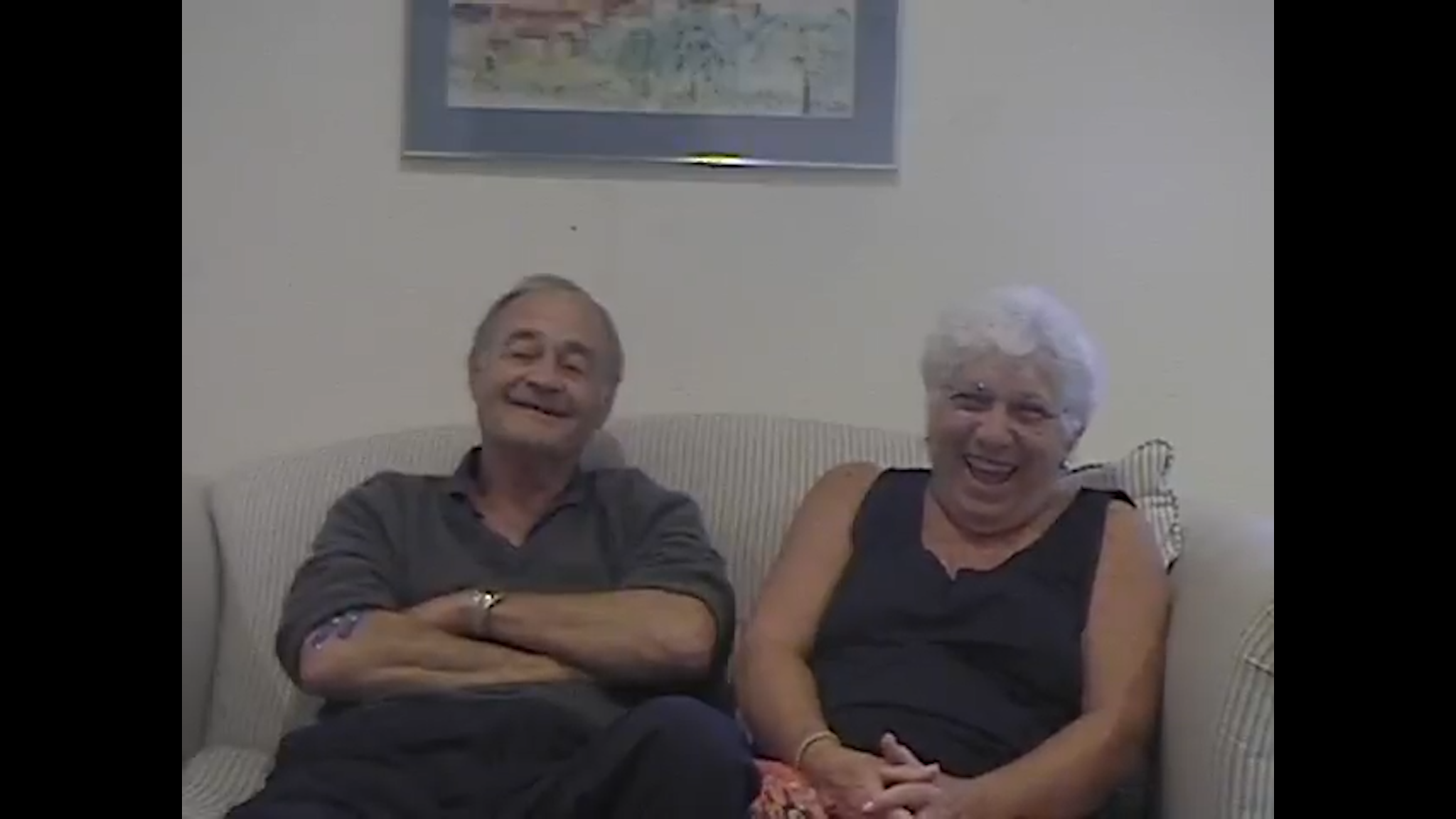
I needed to learn more. My curiosity became an obsession. With Bubbie and Zaydie in the final stage of their lives, I needed to get these stories directly from the source before it was too late. I conducted hours and hours of interviews with them at the ages of 96 and 92, respectively. To this day, these recordings remain some of my most prized possessions. As I pieced together their stories, a whole new world started to open up in front of me. As a young leftist Jew myself who felt isolated from mainstream Jewish institutions, I found solace in reimagining my grandparents' Yiddishkeit leftist community in working-class Chicago. Their very own Yiddishland.
Yiddish formed the other pillar of their identities.When my great-grandparents came to the United States, Yiddish was their means of organizing and communication, thanks to publications like the Forverts. Yiddish theaters, schools, camps, choirs, and numerous other programs popped up. Yiddishlands thrived within cities across the world in the late 19th and early 20th centuries. While Yiddish was the language of most Jewish immigrants of the time, it remained especially prevalent amongst the leftist Jewish immigrants. They were less religious, more radical, and saw Yiddish as a form of cultural cohesion. They were continuing the cultural development happening with Yiddish in the Old Country.
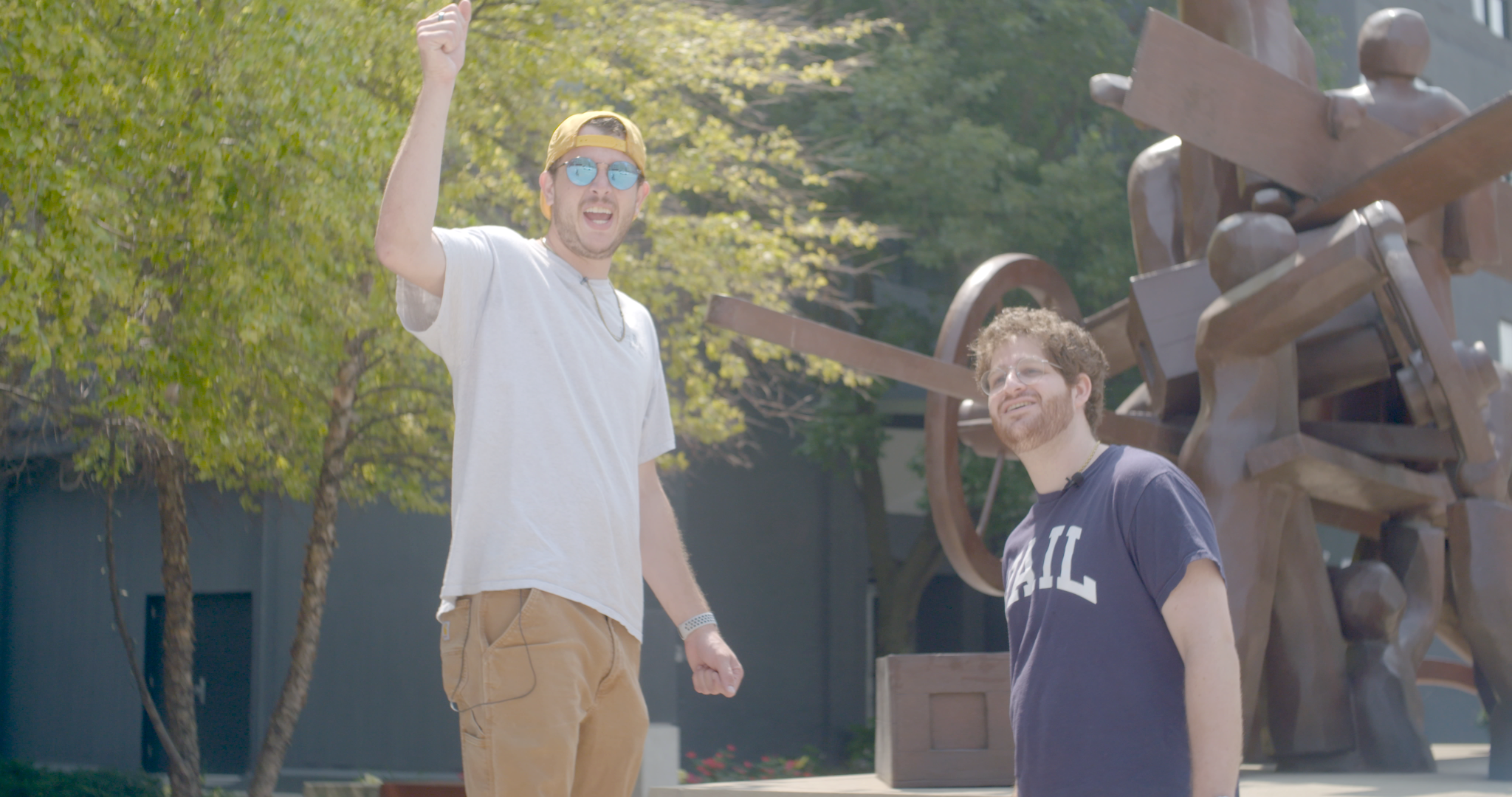
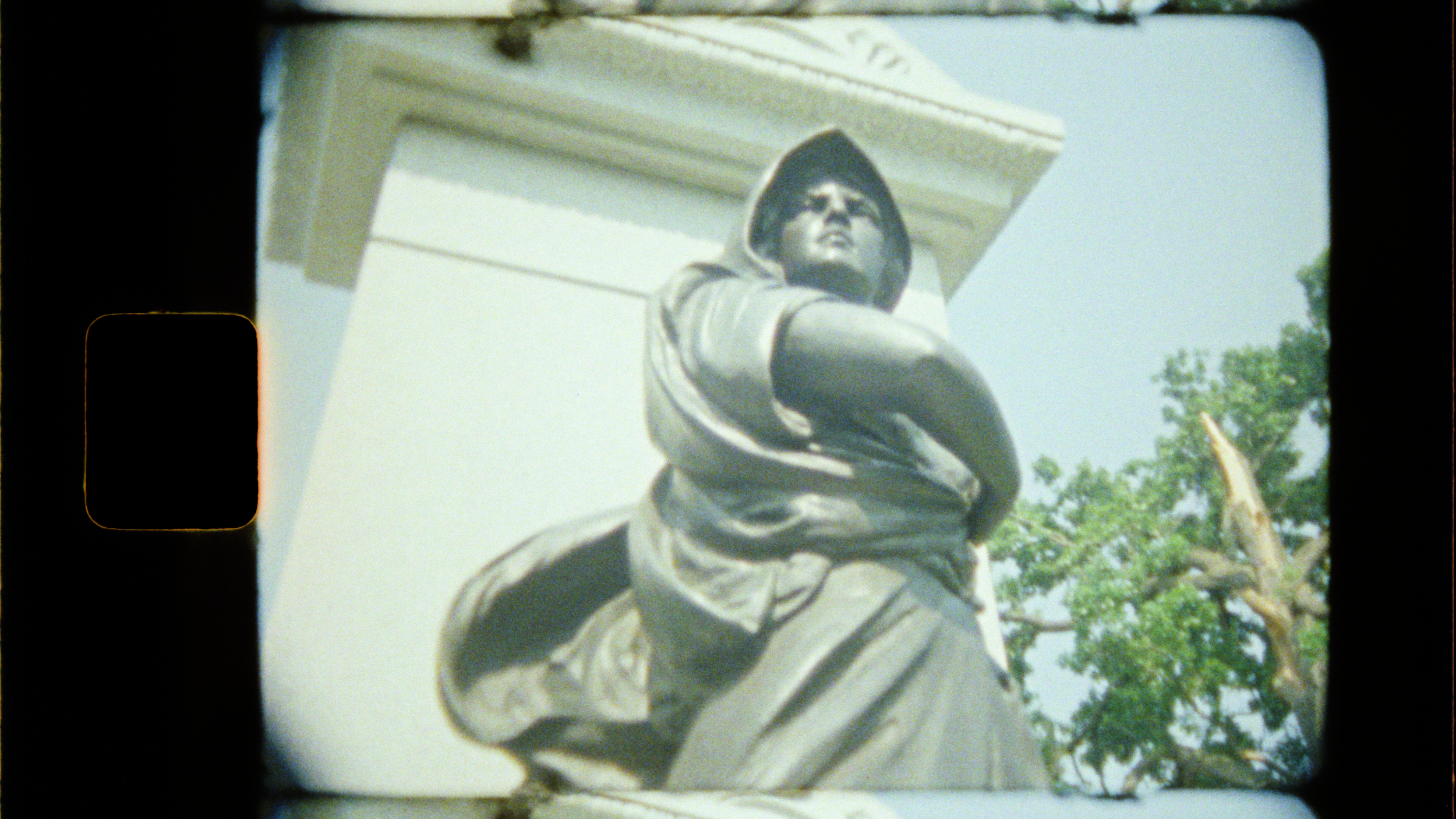
Learning Bubbie and Zaydie’s stories of growing up as red-diaper babies in Humboldt Park, a working-class Jewish, Polish and Slovak neighborhood on the west side of Chicago during the Great Depression and World War II, their upbringing sounded almost as foreign to me as the Old Country was to them. “Where did this go?” I wondered everyday. My consistent yearning for this Yiddish leftist existence led me on a research journey to piece the history together. Along with the oral history projects conducted by my family members from throughout the years, the interviews I did, and extensive research, I felt like I could piece their Yiddishland back together. After over hundreds of hours of research and many, many phone calls, I took a trip to Chicago with a friend, a 4K camera and Super 8 mm camera. I journeyed through their neighborhoods and retraced the image of their Yiddishland from growing up.
In depicting my research journey, I will be interacting directly with the archives and living spaces, bringing the audience directly into my research journey, rather than the materials just flashing on the screen. At libraries and places of interest, the camera will be a function of the space rather than a vehicle. As a result, the camera will take a patient approach from a medium distance, as if every space is a living library (even if that space is truly a library). When interacting with my family archives, it will be more intimate, with multiple projectors flaring these family archives, and me in the middle.
In reconstructing this world and while undergoing this research journey, I understand that there is not only a blank space in myself in regards to understanding my family’s history in this country, but also a blank space in how American Jewish history was taught to me and others. Why were these histories hidden and excluded from me? From all of us? Did McCarthyism take this from us? Was it American Jews fixation on Israel that made Yiddish fall out of favor?Was the outward embrace of the class struggle a threat to the American Jewish identity that many others built gradual acceptance through? Did Bubbie and Zaydie hide their Communist upbringing for survival, or was it just in plain sight and I was too young and naive to notice?
At a time when Jewish leftists are looking for a new and reinvigorated Jewish identity, my grandparents' former community provides a template. In the wake of October 7th, young leftist Jews such as myself have struggled to find a place in mainstream Jewish circles. Some have joined the fight to Free Palestine, while others have hardened their support for Israel. But many like myself are tied in the fight for a Palestinian self-determination and a new Jewish existence in America. We yearn for a Jewish leftist community that reflects our political values, builds community, and focuses on Jewish culture rather than religion.
In relearning the history of American Judaism and my family through the lens of the Yiddishists and Communists, I am putting together the pieces of their lives, their communities, and the impacts they had on my life and this country as a whole. Through the fragments they gave and left me, I am solving the puzzle of the blank spaces in my own life, the questions I had about my own Jewish identity. Suddenly I have a destination where I can find the answers:
Yiddishland.